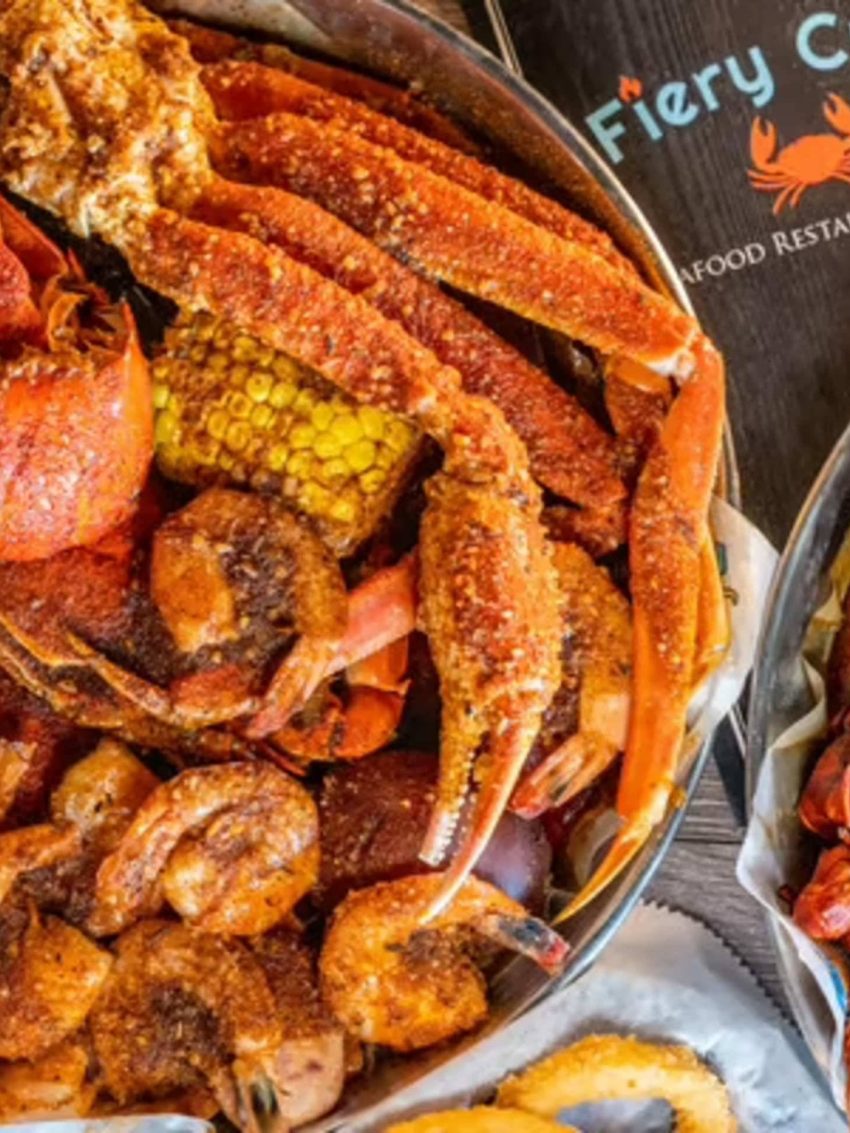
Looking for a fiery crab recipe that will ignite your taste buds? Look no further. With its zesty blend of spices and succulent crab meat, this dish is a true culinary delight. Fire up your kitchen and get ready to experience a burst of flavor like never before. Let’s dive into the world of fiery crab and unleash the deliciousness that awaits.

The Fascinating World of the Fiery Crab
Welcome, young explorers, to a thrilling adventure into the depths of the ocean where we will uncover the mysteries of the fiery crab! These fascinating creatures are known for their vibrant colors and unique behaviors, making them a favorite among marine enthusiasts. Join me as we delve into the world of the fiery crab and discover what makes them so special.
Discovering the Fiery Crab Habitat
Fiery crabs can be found in the warm waters of tropical oceans around the world. They prefer to make their homes in coral reefs, where they can find plenty of food and shelter. These colorful crustaceans are expert diggers, often burrowing into the sandy ocean floor to create their own cozy hideaways.
As we journey deeper into the ocean, we may be lucky enough to catch a glimpse of these fiery crabs scuttling among the coral, their bright red and orange shells standing out against the vibrant backdrop of the reef. Keep your eyes peeled and your fins ready for an unforgettable encounter!
The Stunning Colors of the Fiery Crab
One of the most striking features of the fiery crab is its vibrant coloration. These fiery creatures sport shells that range from deep red to fiery orange, with some even displaying hints of yellow or purple. The bright hues of the fiery crab not only make them stand out in their underwater environment but also serve as a warning to potential predators.
Scientists believe that the bold colors of the fiery crab serve as a form of protection, signaling to other creatures that they may be toxic or dangerous to eat. In the world of the ocean, it’s important to stand out in order to survive, and the fiery crab has certainly mastered the art of making a statement!
The Fiery Crab’s Unique Adaptations
As we continue our exploration, we will uncover some of the fascinating adaptations that make the fiery crab such a remarkable creature. One of the most intriguing features of these crabs is their ability to regenerate lost limbs. If a fiery crab finds itself in a tight spot and loses a claw or leg, it has the remarkable ability to grow it back over time.
Additionally, the fiery crab possesses specialized appendages called chelipeds, which are used for a variety of tasks such as gathering food, defending against predators, and even attracting potential mates. These chelipeds are equipped with sharp claws that can deliver a powerful pinch, making the fiery crab a force to be reckoned with in the underwater world.
Feeding Habits of the Fiery Crab
Our adventure wouldn’t be complete without a closer look at what fuels the fiery crab’s fiery spirit – its diet! These omnivorous creatures have a varied menu that includes algae, small fish, plankton, and even detritus. Fiery crabs are opportunistic feeders, meaning they will eat whatever is available to them in their environment.
When it comes to hunting for food, the fiery crab relies on its keen sense of smell to track down its next meal. Using specialized olfactory receptors, these creatures can detect the scent of food from afar and quickly home in on their target. Once they have located their prey, fiery crabs use their chelipeds to capture and consume their meal with great efficiency.
Reproduction and Life Cycle of the Fiery Crab
Now, let’s delve into the fascinating world of fiery crab reproduction and life cycles. Like many other crustaceans, fiery crabs undergo a process known as molting, where they shed their old exoskeleton to make way for new growth. During the molting process, fiery crabs are vulnerable to predators and must seek shelter until their new exoskeleton hardens.
When it comes time to reproduce, fiery crabs engage in a courtship ritual where males will perform elaborate dances and displays to attract females. Once a female has chosen a mate, she will carry the fertilized eggs under her abdomen until they hatch into tiny larvae. These larvae will eventually develop into juvenile crabs, completing the life cycle of the fiery crab.
Conservation of the Fiery Crab
As we come to the end of our underwater adventure, it’s important to consider the conservation of the fiery crab and its fragile habitat. Coral reefs, where fiery crabs make their homes, are under threat from factors such as climate change, pollution, and overfishing. By raising awareness about the importance of protecting these delicate ecosystems, we can help ensure that future generations will be able to enjoy the beauty of the fiery crab and other marine creatures.
Remember, young explorers, the ocean is a vast and wondrous place full of amazing creatures like the fiery crab. By learning about and appreciating these creatures, we can do our part to preserve their natural habitats and ensure that they continue to thrive for years to come. So dive in, explore, and discover the fascinating world of the fiery crab!
Fiery Crab Louisiana Seafood Boil Challenge in Baton Rouge!!
Frequently Asked Questions
What are the characteristics of a fiery crab?
Fiery crabs are known for their bright red color, distinct markings on their shells, and their aggressive behavior when threatened. They have sharp claws and can move swiftly both on land and in the water.
How does a fiery crab defend itself?
When threatened, a fiery crab will use its sharp claws to pinch and defend itself. It may also release a cloud of hot steam or spray boiling water, giving it the nickname “fiery” crab.
Where can fiery crabs typically be found?
Fiery crabs are often found in tropical regions, particularly near volcanic areas where they can thrive in the hot and humid environment. They are commonly seen along rocky coastlines and sandy beaches.
Are fiery crabs dangerous to humans?
Fiery crabs can be dangerous to humans if provoked or handled without caution. Their sharp claws and ability to release hot steam or boiling water can cause serious injuries. It’s best to observe them from a safe distance in their natural habitat.
Final Thoughts
In conclusion, the fiery crab is a delectable treat for seafood lovers seeking a bold and spicy kick. Its vibrant red color and intense flavor make it a standout dish. Whether enjoyed steamed, grilled, or in a spicy salad, the fiery crab never fails to leave a lasting impression. Don’t miss out on the opportunity to savor this fiery delicacy and add some heat to your dining experience.